
THE ARCHITECTURE OF THE GARMENT
SUIT ANATOMY
A Rojas garment is designed through collaboration.
Cloth, silhouette, proportion, and finishing details are considered in relation to your physique, personal style, environment, and the purpose the garment must serve.
Customization is not about adding more.
It is about making better decisions—so that every element contributes to a garment that feels coherent, appropriate, and unmistakably your own.
Seven Aspects of Form
One Cohesive Aesthetic.
01 - THE CONVERSATION
Understanding Before Measurement
Every meaningful commission begins with observation.
How does the individual stand, sit, walk, and gesture? What environments will the garment enter? What should it communicate—and how should it feel?
Measurements provide dimensions. Observation reveals balance, posture, movement, and intent.
This understanding establishes the direction for everything that follows.
02 - THE CLOTH
Voice and Temperment
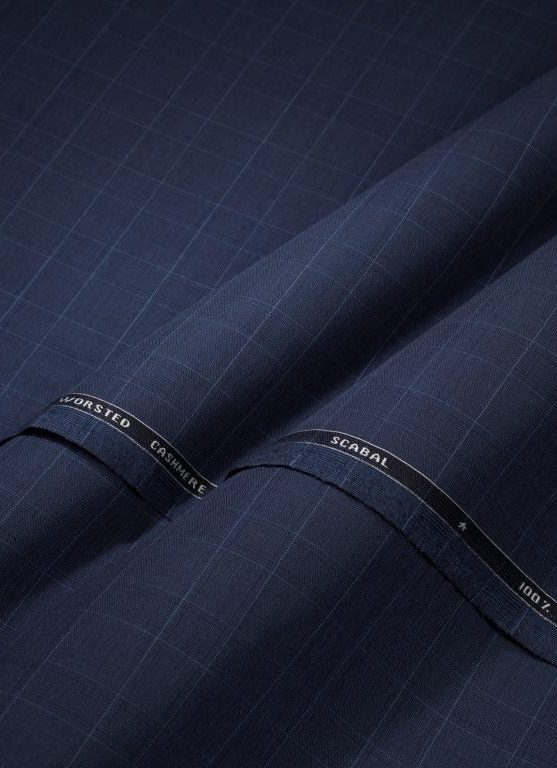
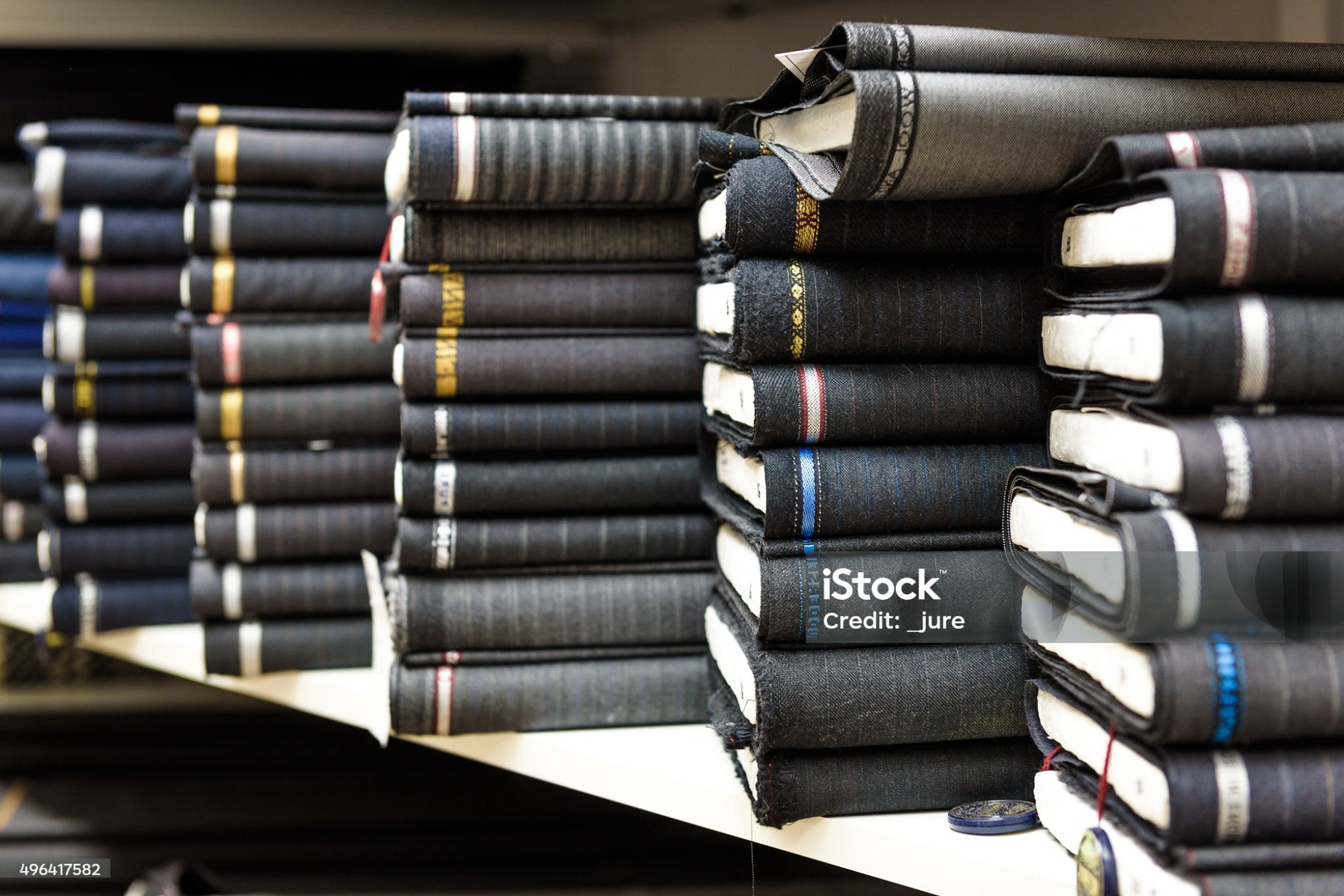
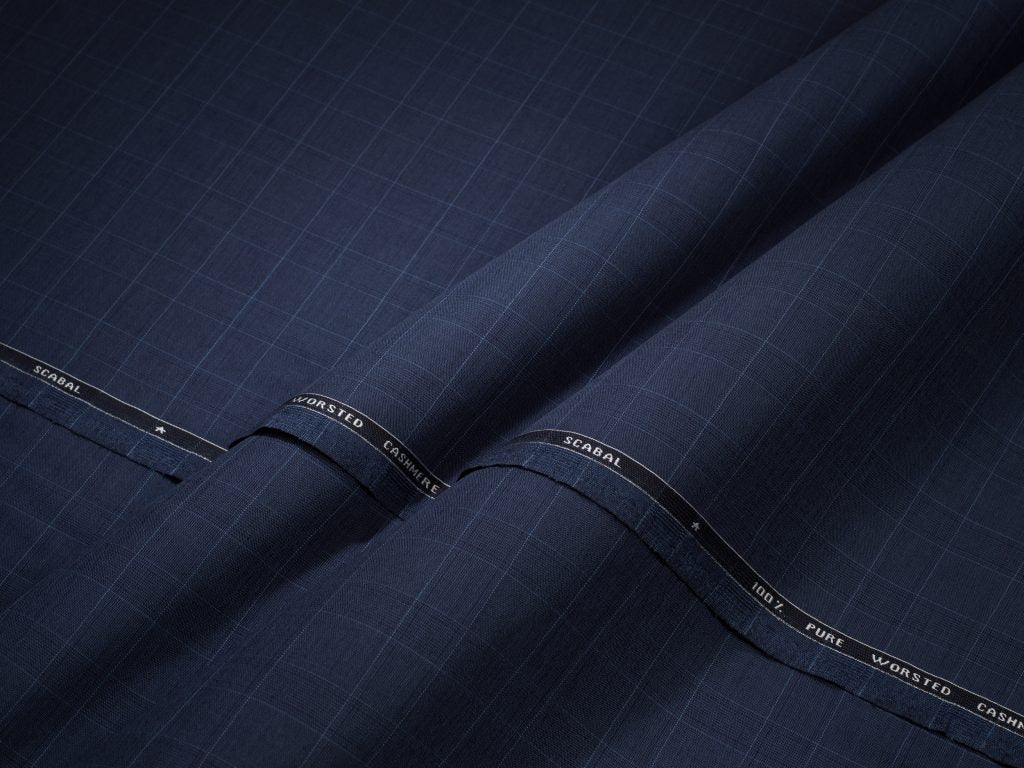
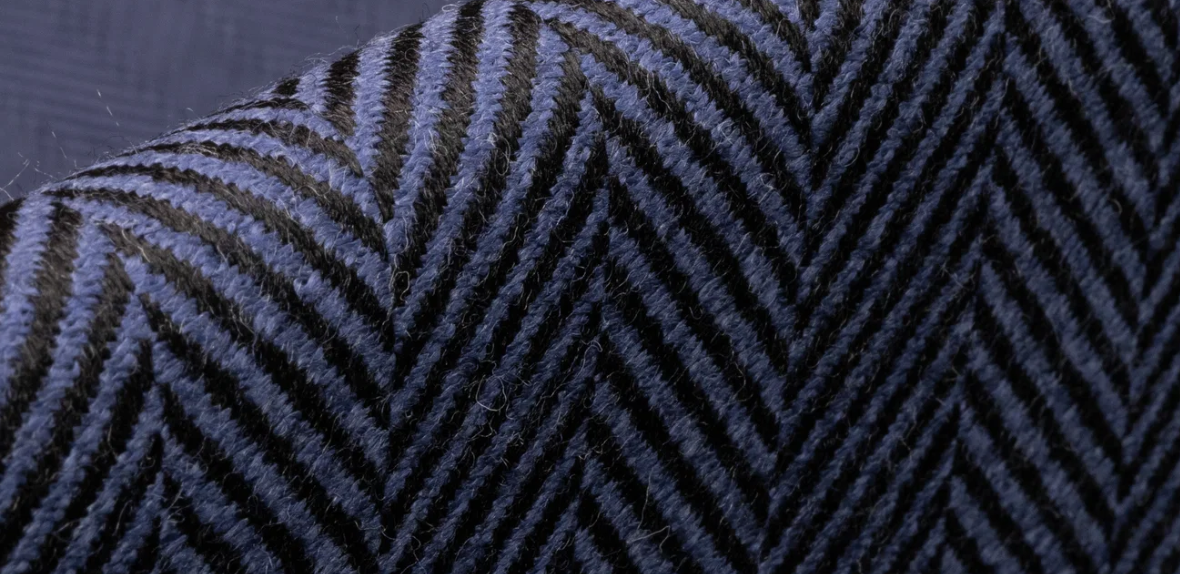
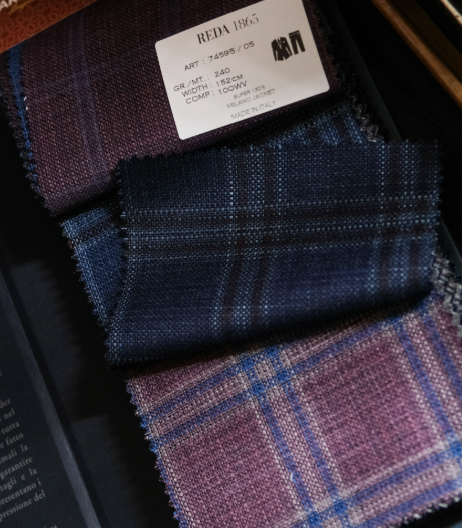
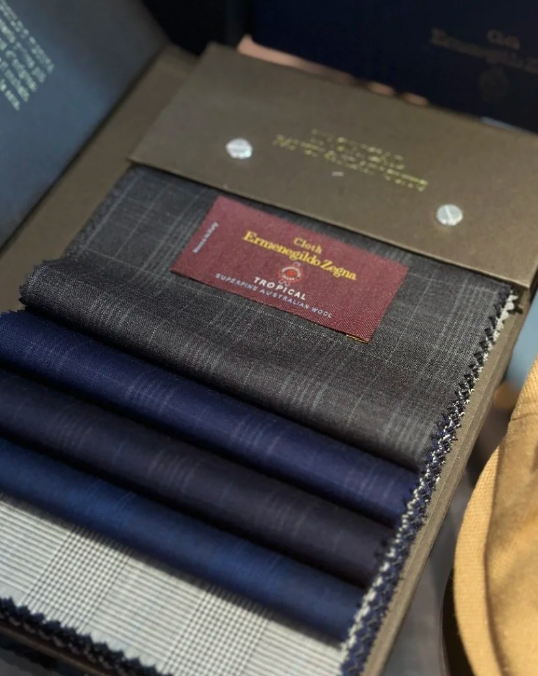
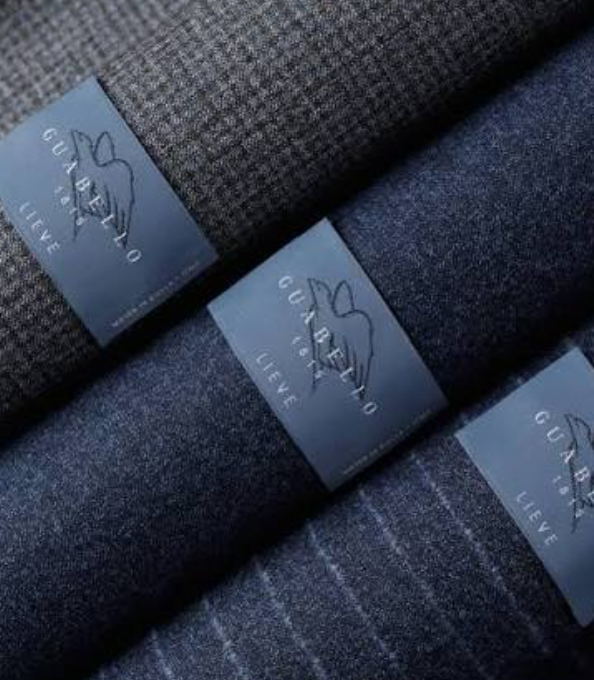
Cloth is the suit’s first language.
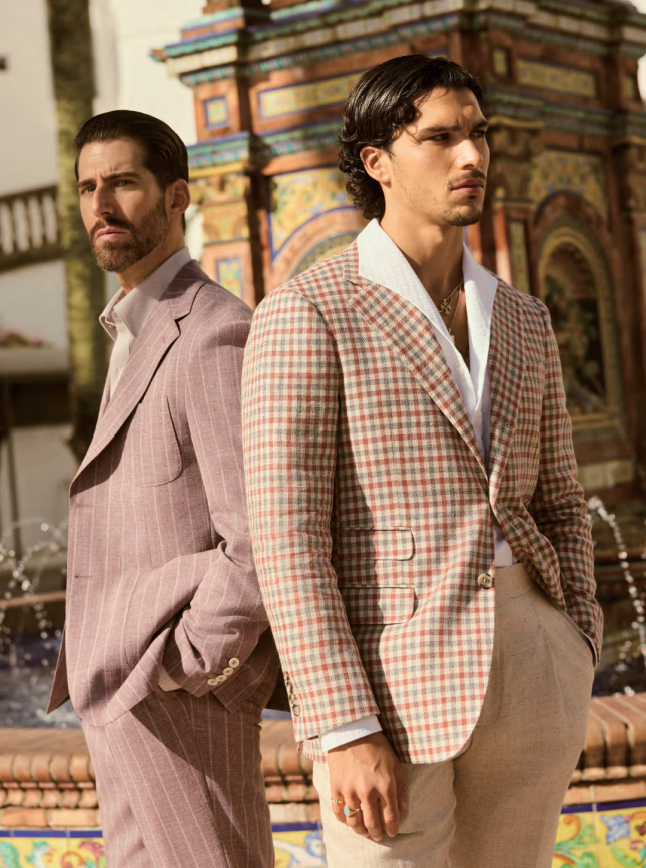
A fine worsted can convey precision and versatility. Flannel offers depth and quiet authority. Linen brings ease and natural character. Fresco combines breathability with a crisp, resilient structure.
Weight, weave, texture, drape, climate, and frequency of wear all influence the decision.
The right cloth must do more than look compelling. It must perform appropriately, move naturally, and serve the life of the person wearing it.
03 - THE CANVAS
Internal Armature
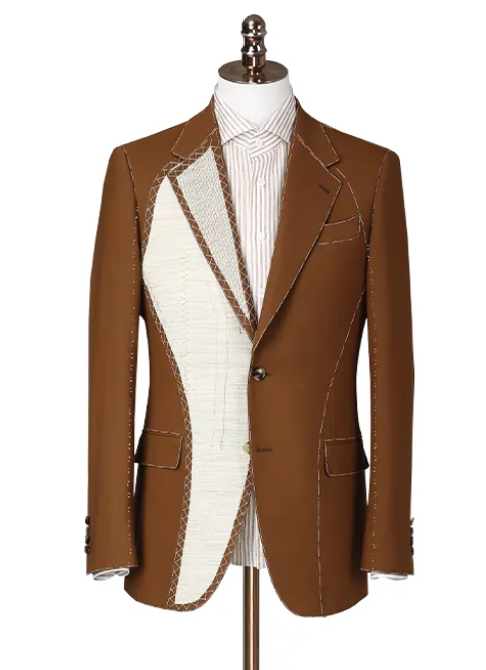
Beneath the outer cloth lies the jacket’s internal structure.
In traditional construction, layers of canvas made from materials such as wool and horsehair help establish the shape of the chest, support the lapel, and allow the garment to develop around the wearer.
Unlike a rigid shell, a thoughtfully constructed canvas provides form while preserving movement.
It is largely unseen, yet fundamental to how the jacket lives on the body.
04 - THE CUT
Where Geometry Meets Grace
The cut determines the relationship between garment and body.
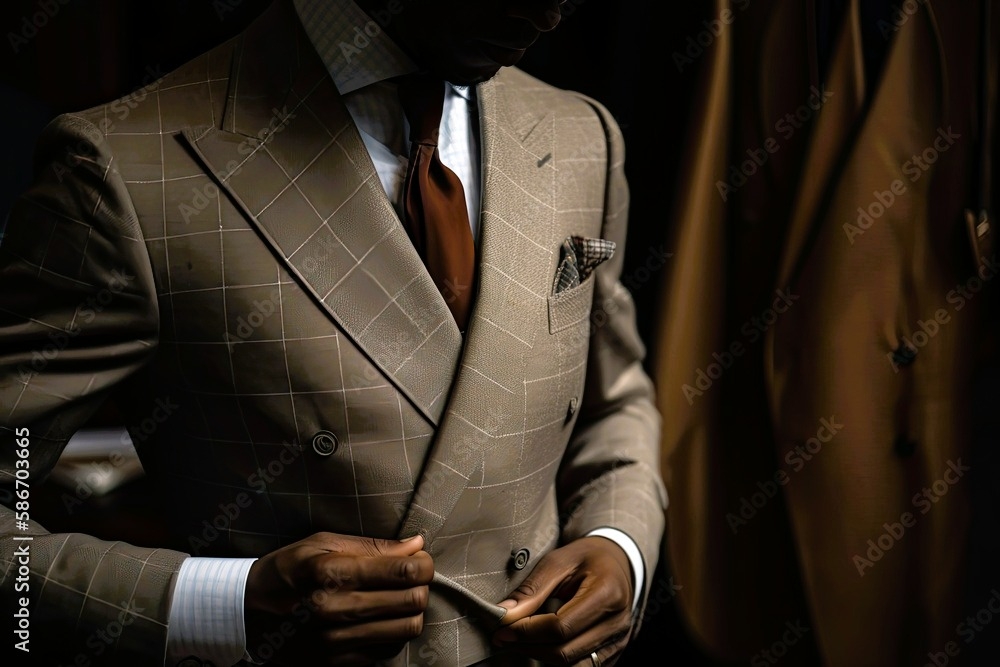
Shoulder line, jacket length, waist suppression, button position, lapel width, and overall silhouette must work in proportion—not only with one another, but with the individual.
Some shoulders call for softness; others benefit from greater definition. Some silhouettes invite ease; others require structure.
There is no universal ideal. The objective is balance.

05 - THE JACKET
Sturcture in Motion
A tailored jacket is created in three dimensions.
Shaping through cutting, construction, pressing, and fitting allows flat cloth to follow the architecture of the body. The collar must remain close. The lapel should roll naturally. The sleeve should follow the resting position of the arm.
When these elements work together, the jacket appears composed while allowing the wearer to move with ease.
It should stand with the individual—not apart from them.
06 - THE TROUSERS
Line, Balance & Rhythm
Trousers complete the composition of the suit.
Rise, waistband position, pleats, taper, break, and hem treatment all influence the relationship between the upper and lower body. The line should remain clean while accommodating posture and movement.
Whether softly draped or sharply defined, cuffed or plain, the trousers should feel connected to the balance and character of the jacket.
07 - THE FINISHING
Evidence of Hand
The final details reveal the discipline behind the garment.
Buttonholes, edge stitching, lining, buttons, interior configuration, pressing, and finishing all contribute to the suit’s character. Their purpose is not decoration for its own sake, but coherence.
The finest details rarely demand attention. They reward it.
True refinement is discovered gradually—in the precision of a line, the roll of a lapel, and the quiet evidence of decisions made well.
THE PHILOSOPHY
An Extension of the Indiviudal
A bespoke suit is not a costume, nor should it overwhelm the person wearing it.
At its best, it becomes an extension of identity: architecture for the body, discipline in detail, and personal expression held in balance.
It carries the memory of its making and develops the character of the life lived within it.
Cloth remembers. Structure shapes. The hand gives life.